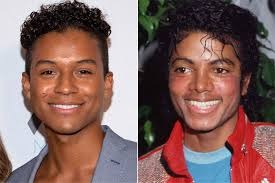
For anyone who grew up trying to mimic the moonwalk or waiting hours for a music video to premiere on MTV, “Michael” is a powerful and emotional homecoming. Jaafar Jackson’s performance as Michael Jackson wasn’t just an impression; it was also his first time acting in a lead role, and he delivered. There were moments, particularly during the recreation of the “Billie Jean” performance in Motown 25, where the line between actor and icon disappeared. He gave the audience a chance to see the man behind the glove and showed the world that he often demanded more than he could give.
Before the film’s release on April 24, 2026, many industry insiders and critics predicted a massive flop. They argued that the film’s choice to end the narrative around 1988 and its oversight by the Jackson estate would lead to something people would reject. However, the “flops” never materialized. Instead, Michael has shattered records. It earned $217 million in its opening weekend—surpassing even Oppenheimer and Bohemian Rhapsody for the biggest Biopic debut in history. The divide on Rotten Tomatoes tells the real story: while critics handed it a dismal 38%, the audience score soared to a staggering 97%. Much of this success is credited to director Antoine Fuqua’s focus on the kind of person Michael Jackson was and what he had to go through, rather than the controversy that surrounded his name and family. Fuqua crafted a film about the kind of talent the world may never see again. It also captured the excitement and growth of the 1980s.
Many people connected with the movie emotionally. Entertainment Weekly described the movie as “an emotional tribute to a once-in-a- generation performer,” highlighting the way the film balanced spectacle with vulnerability. Rather than rushing from performance to performance, the movie slowed down key moments to show Michael Jackson as a son, brother, and artist struggling to meet the expectations of fans.
The cinematography also played a huge role in the film’s success. Every performance scene felt real, from the flushing lights of sold-out arenas to the moments shown behind the scenes. Variety praised Jaafar Jackson’s performance, writing that he “captures the spirit and sensitivity that made Michael Jackson unforgettable.” For a first leading role, Jaafar Jackson carried the weight of an impossible standard and somehow exceeded expectations. The film has also sparked conversations about how audiences separate art from the controversy. Some critics argued that the movie avoided some of the darker chapters of Jackson’s life, while fans believed the film was never intended to function as a drama. Instead, it focused on the years that transformed Michael Jackson into a global superstar. According to Rolling Stone, the movie is “less interested in defending a legacy than in understanding the pressure of living inside one.” This idea t resonated through the film.
Michael is more than nostalgia for longtime fans. It has introduced a younger generation to the artistry and influence that changed music forever. Whether audiences walked into theaters skeptical or excited, most left reminded of the same truth: there will never be another performer quite like Michael Jackson.