Soccer fans around the U.S. are facing steep prices for World Cup games. For the USA versus Paraguay World Cup match in LA, nosebleed tickets are on sale for $1,940, which is unattainable for the vast majority of soccer fans, and creates a barrier to the exciting opportunity to watch World Cup matches hosted in your backyard.
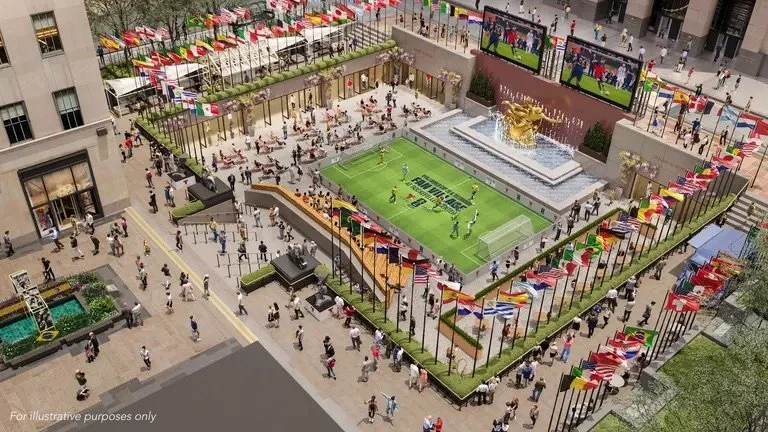
Although the ticket prices aren’t becoming any more accessible, New York City is helping make FIFA-sponsored World Cup events free. In late April, the New York-New Jersey Host Committee announced these free events that include live match viewing, fan hubs, and other festivities in five boroughs. The events will take place in Queens, Manhattan, The Bronx, Brooklyn, and Staten Island, forming a 39-day city-wide celebration. This is a shift from the committee’s previous stance, which was to charge for these fan events.
New York City has historical roots tied to soccer. According to soccer historian Tom McCabe, “In the 1860s, English and Scottish textile workers began settling in manufacturing towns such as Paterson and Kearny, forming company soccer clubs, [and] played mill against mill before seeking an intercity contest to benefit Irish famine relief.” Incorporating free soccer events in a city rooted in its history embraces the city’s cultural background while allowing soccer fans to connect at these events and share World Cup memories with other fans.
Mayor Mamdani of New York City shared a similar sentiment: “When I think back on my first World Cup, some of my most meaningful memories weren’t in the stadium, they were in the fan zones, surrounded by thousands of people brought together by a pure love of the game.”
As the World Cup nears in North America, cities need to host celebratory events that attract residents and tourists alike. The cultural significance of the World Cup around the world is undeniable, and creating a welcoming atmosphere for fans across the globe is crucial for cities in order to redeem the reputation of the U.S. as a World Cup host. Especially since the U.S. and FIFA are facing strong criticism over high ticket prices and inaccessible transportation costs.
These fan events are also expected to sell World Cup merchandise and serve as a portal for merchandise revenue, as well as attract revenue to businesses around the fan hubs. Although these events are free, the economic participation around the city is especially high via these events, because cities were chosen with the aim to incorporate folks across every corner of the city, not just its busiest destinations.
Although access to the actual games is still inaccessible to the average soccer fan, the move to create third places for soccer fans in the city to connect with fans around the world, connect the city to its history in soccer, and encourage economic participation around the city, as well as create an energetic atmosphere for fans traveling across the world and country.