Venezuela claimed that on October 27, they had stopped a false flag attack financed by the Central Intelligence Agency in order to blame an attack on the USS Gravely and pin the blame on Venezuela. While no evidence was provided of CIA interference, this comes after earlier in the month when President Trump had announced that he had authorized the CIA to commit covert operations in Venezuela. Not only has Trump given covert operation permission to the CIA, but the United States has built a significant naval presence in the Caribbean Sea near Venezuela, claiming to have killed dozens of narco-traffickers without evidence, as well as causing tensions between Trinidad and Venezuela due to Trinidad hosting the largest aircraft carrier, leading to energy agreements being suspended between the countries. Aggressive action against the Venezuelan government is nothing new for Trump, with his first administration having high tensions with the country and his current administration continuing aggression.
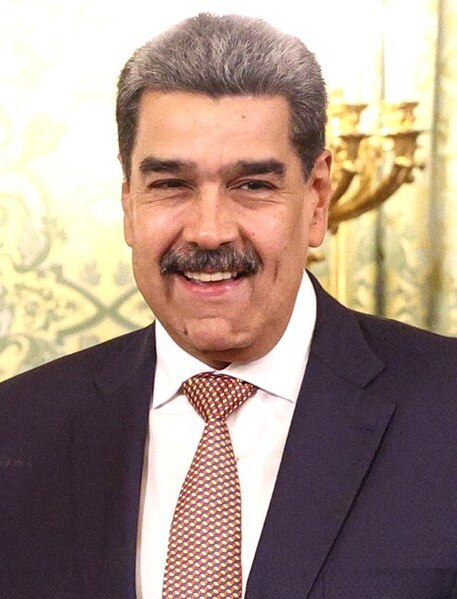
During Trump’s first administration, he routinely demanded military options to pressure President Maduro of Venezuela, but the Pentagon and intelligence leaders were reluctant to start a conflict with Venezuela, with a Pentagon official reportedly banging his fist on his desk in 2019, according to the Washington Post. After failing to use military pressure, the Trump administration offered diplomatic and economic support to Venezuelan opposition leader Juan Guaido, who lost what many other countries considered to be a rigged election in 2018, but their effort failed due to a lack of popular support in overthrowing the Maduro government, leaving Guaido a leader in foreign recognition only. After this failure, they went after more aggressive covert actions such as cyberattacks, which they hoped would create enough discomfort and disturbance that the military, which has helped Maduro stay in power, would switch sides and support the opposition, but this tactic was heavily criticized because it lacked a plan for what the U.S. would do after the regime change.
In his second term, aggressive action against Venezuela has continued, with his aides going to the Department of Justice for additional guidance for military action they can take beyond the bombing of supposed narcotics boats. While nothing is officially released yet, officials expect that the department will argue that Maduro is an important leading figure in the narcoterrorist group Cartel de los Soles, which they argue would make him a legitimate figure for assassination despite being a world leader. While a major criticism levied towards the Trump administration for their policy towards Venezuela is that they have no plan for how to handle Maduro’s downfall to create a successful regime change and not another Iraq, the biggest benefactor if a regime change were to happen successfully in America’s favor would be the oil industry. Not only does Venezuela have the largest oil reserves in the world, but American oil company Chevron is one of the few multinational oil companies not to be nationalized by Venezuela, with Maduro even saying, “I want Chevron here for another 100 years.” A regime change favorable to America would most definitely lead to favorable oil policies for the US and increased power for companies like Chevron. While regime change in Venezuela would be an ideological victory against socialism and a material win for the oil industry, Trump’s promises to end wars and his lack of a plan for after Maduro’s fall means that he will need to walk a very fine line in this situation, lest he fall further into unpopularity.