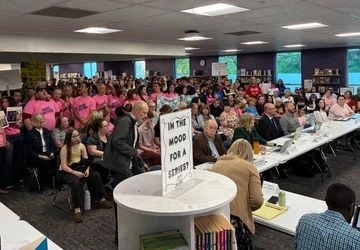
School districts across the state of Oregon are experiencing severe budget cuts due to insufficient state funding failing to match the rising costs of labor, transportation, and general operations, despite the funding being increased by the legislature in the 2026-2027 school year by $600 million. This has led to multiple districts, especially those in Portland, facing a $56.3 million deficit, calling for the state to tap a $1 billion reserve. The reserve, known as the Education Stability Fund, is funded by proceeds from the state lottery and meant for times of economic downturn in the state, and its usage must be signed off on by at least three-fifths of the legislature. Despite the large deficits seen by many districts, Governor Tina Kotek responded to pleas for the reserve to be tapped, saying, “I don’t anticipate additional dollars outside the current budget for our schools and universities,” creating controversy among school districts.
Refusing to tap the reserve isn’t the only action by the Governor creating conflict with school districts, but a recent executive order is as well. For years, Oregon school districts have had some of the shortest school years because they go below the minimum instructional hours requirements to reduce deficits, but Governor Kotek’s new executive order now aims to prevent school districts from going below these requirements, stopping the Oregon Department of Education from giving waivers for instructional time requirements. In a press conference in support of her decision, the executive director for the education advocacy group Stand For Children, Sarah Pope, brought up a report that found that students in the lowest-time districts can receive three fewer school years than those in the highest-time districts. This decision came as a shock to many districts due to the state being fine for years with shorter school years, and this controversy and others have led to clashes between Kotek and Oregon teachers, likely influencing why the Oregon Education Association opted not to endorse Kotek’s reelection campaign.
Our district, the Gresham-Barlow School District, is facing a deficit of around $10.2 million. For years, the district had used its Ending Fund Balance, or EFB, to bridge funding gaps, but recently the EFB fell below its 8% school board requirement, forcing the district to make an $8 million budget reduction last year, and now the district faces more cuts. The Superintendent, Dr. Tracy Klinger, has outlined the primary goals of the budget cuts as to maintain operating sustainability and restore EFB reserves. These cuts are reducing 69.93 positions out of 1,100 district-wide, with the largest of these cuts being $1,233,300 from elementary classroom teachers, $1,301,500 from elementary music teachers, $1,438,500 from middle school classroom teachers, $1,142,580 from high school classroom teachers, and many other cuts to schools and district staff, adding up to a total projected cut of $10,487,735.
With enrollment down district-wide and Sam Barlow facing a low projection of 50 students next year, we are facing major cuts as well. Barlow is cutting 7.16 full-time employees in hours, or FTE 8 FTE are being reduced in force, meaning their job is being assigned to another employee, 4.19 FTE is being cut from programs, and 2.02 FTE are being reallocated to new classes that are graduation requirements, being Personal Finance and Career Pathway. AVID is part of those being cut, but specialty advisories are being considered to keep AVID cohorts together. $50,000 is being cut from activities, athletics, and transportation, primarily impacting field trips. While the state did give the district 20% of its shortfall back, approximately $2.1 million, the budget was finalized on May 13, so we’ll have to wait to see if they actually adjust the budget.