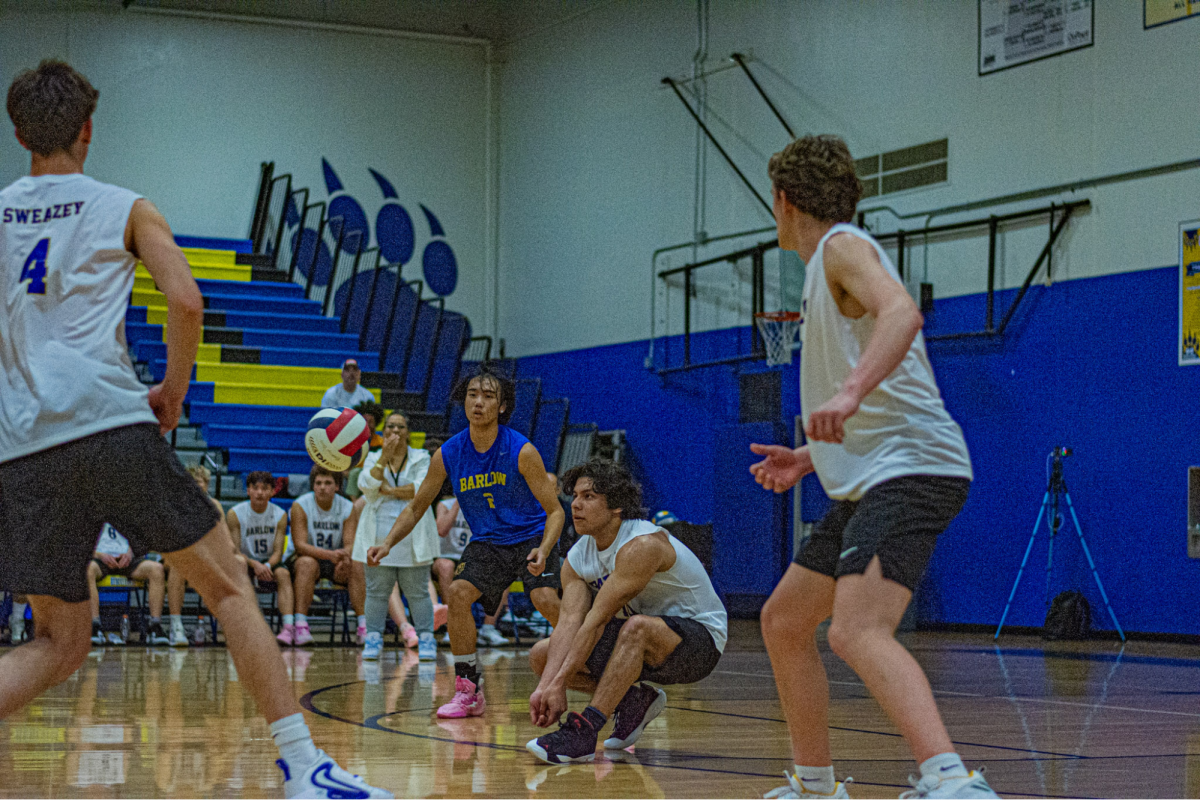

With fall sports wrapping up and winter sports just beginning, the spring season is approaching for many Barlow athletes. Being prepared for tryouts or the start of the season is important for student-athletes. There are several ways that teen athletes can prepare themselves for their upcoming season, such as off-season workouts to maintain physical conditioning, private lessons, and maintaining & creating good nutrition habits.
Many teams at Barlow have workouts or practices that take place in the off-season. Coaches often make these events optional, but they are a good way to prepare yourself for the upcoming season and maintain your physical fitness. These practices are also good ways to get helpful coaching for what you need to improve and become proficient at before the season begins.
If you or your coach is unavailable for off-season practices, taking private lessons may be a good way to improve your skillset before the spring season starts. Many places in the Gresham and Portland area offer private lessons for a multitude of different sports. Some of these places include Cascade Athletic Club, Lloyd Athletic Club, PDX Fitness Zone, and United Athletic Club. Private lessons typically range from $30 to over $100 per hour, depending on the sport and the mentor’s level of expertise.
Attending off-season practices or paying for private lessons are great ways to improve your physical skills, but there are still other elements to preparing for the season. Creating or maintaining good nutrition habits is essential to enhancing your athletic performance. Diet is important to overall athletic performance, so it is important to know things like daily requirements, and where to get your nutrients from.
Teen Nutrition for Fall Sports on eatright.org states, “On average, active teenage boys need around 2,600 to 3,200 calories a day, while teenage girls who are active may need 2,200 to 2,400 calories daily. Quality calories should be consumed from fruits, vegetables, whole-grain breads and cereals, low-fat dairy, lean protein foods and heart-healthy fats.”
Calorie intake may also depend on other factors such as weight, and what sport the athlete plays. According to kidshealth.org, A Guide to Eating for Sports “Teen athletes have different nutrition needs than their less-active peers. Athletes work out more, so they need extra calories to fuel both their sports performance and their growth.”
In this article on teen nutrition & in the hopkinsmedicine.org article Nutrition for Athletes: What to Eat Before a Competition, they give dietary suggestions for active teenagers. “While training for the competition, athletes should eat a balanced diet consisting of about 60% carbohydrates, 20% protein and 20% fat, although this can vary by sport and position.
Incorporating a variety of foods in one’s diet, such as whole-grain bread and cereals, green, leafy vegetables, fruits, lean meats and low-fat dairy can prove beneficial for overall performance. Drink plenty of liquids to stay properly hydrated. This diet will help you have enough energy for your training regimen, help achieve optimal body weight and composition, and promote short-term and long-term health.”
To sum up both articles, active teenagers need a variety of food, and more vitamins, carbs, fats, and protein. Vitamins/minerals like calcium and iron help the body build strong bones and muscles, and can be found in dairy foods and leafy green vegetables. Carbohydrates fuel the body, and young athletes require a lot of fuel to keep their bodies from being worn out, or tired. Carbs can be found in fruits, vegetables, and grains, such as brown rice & whole-wheat bread. Like carbs, fats provide energy and fuel to athletes bodies, but fats provide stored & long lasting fuel. There are many different kinds of fats, but the healthiest fats can be found in fish, nuts and seeds. Proteins are essential for the body building muscle, and without proteins the body would not be able to perform as well. Proteins can be found in fish, meats like poultry, eggs, dairy, nuts, soy, and peanut butter.