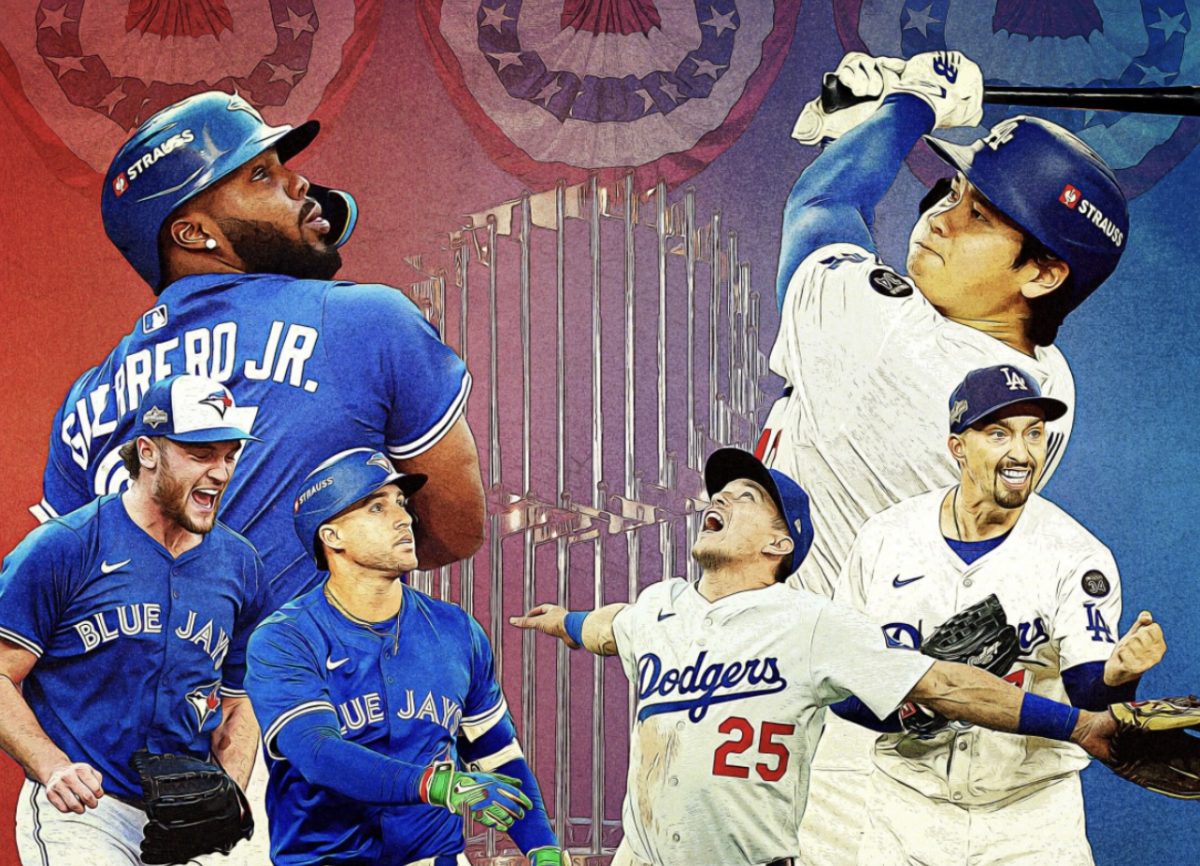
The Los Angeles Dodgers secured their second straight World Series championship with a 5-4 victory over the Toronto Blue Jays in 11 innings in Game 7 on Nov. 1 at Rogers Centre. The win made the Dodgers the first team since the New York Yankees during 1998-2000 to repeat as champions.
The Blue Jays, appearing in their first World Series since 1993, pushed the Dodgers to the limit throughout the series. Toronto opened the matchup with a decisive 11-4 win in Game 1, highlighted by pinch-hitter Addison Barger’s historic grand slam — the first pinch-hit grand slam in World Series history. Los Angeles responded with a strong Game 2 performance behind right-hander Yoshinobu Yamamoto, who delivered one of several key outings that later helped earn him World Series MVP honors.
The teams went back and forth on wins through the first six games, with neither side holding momentum for long. Toronto relied heavily on its developing young core, while Los Angeles leaned on postseason experience and deep pitching. Entering Game 7, the Dodgers’ roster — featuring several players with previous World Series appearances — was widely considered the more tested group, but the Blue Jays continued to match them in competitive intensity.
That left Game 7 as the most closely contested matchup of the series. Toronto led late before Dodgers shortstop Miguel Rojas hit a game-tying home run in the ninth inning. The hit forced extra innings and shifted the tempo in Los Angeles’ favor. In the top of the 11th, Dodgers catcher Will Smith delivered the go-ahead solo home run, marking the first time an extra-inning homer had decided a winner-take-all World Series Game 7.
Yamamoto, pitching on no rest, exceptionally unusual for a pitcher, recorded the final outs in the bottom half of the inning. His effective relief appearance capped a postseason in which he delivered several critical performances, reinforcing his status as one of the Dodgers’ most reliable pitchers throughout 2025.
The Blue Jays’ offense produced consistent pressure during the game but could not deliver a final breakthrough after Smith’s home run. Toronto’s lineup, one of the youngest in the American League, showed promise throughout the postseason but struggled to capitalize on late-game opportunities in the final contest.
Despite the loss, the Blue Jays’ postseason run marked a significant moment for the franchise. Toronto had not reached the Fall Classic in more than three decades, and its roster includes several players under team control for future seasons. Team officials have emphasized internal development, and the 2025 postseason performance has been widely viewed as evidence that the approach is yielding results.
For the Dodgers, the championship added to a period of sustained success. The team has now won nine World Series titles in franchise history and continues to maintain one of the league’s largest payrolls and most productive development systems. The 2025 season also marked the first full campaign for several high-profile acquisitions, contributing to what analysts have described as one of the deepest rosters in recent MLB history.
The World Series concluded a postseason defined by competitive balance and strong pitching across both leagues. The Dodgers’ ability to produce timely hits and rely on veteran contributors ultimately created the difference in the final game. Meanwhile, Toronto’s early-series power surge and overall resilience signaled its growing standing in the American League.
As the offseason begins, both teams face decisions regarding roster adjustments, arbitration cases and upcoming free agency periods. However, with most of their core players expected to return, the Dodgers and Jays are projected to remain postseason contenders heading into the 2026 season.