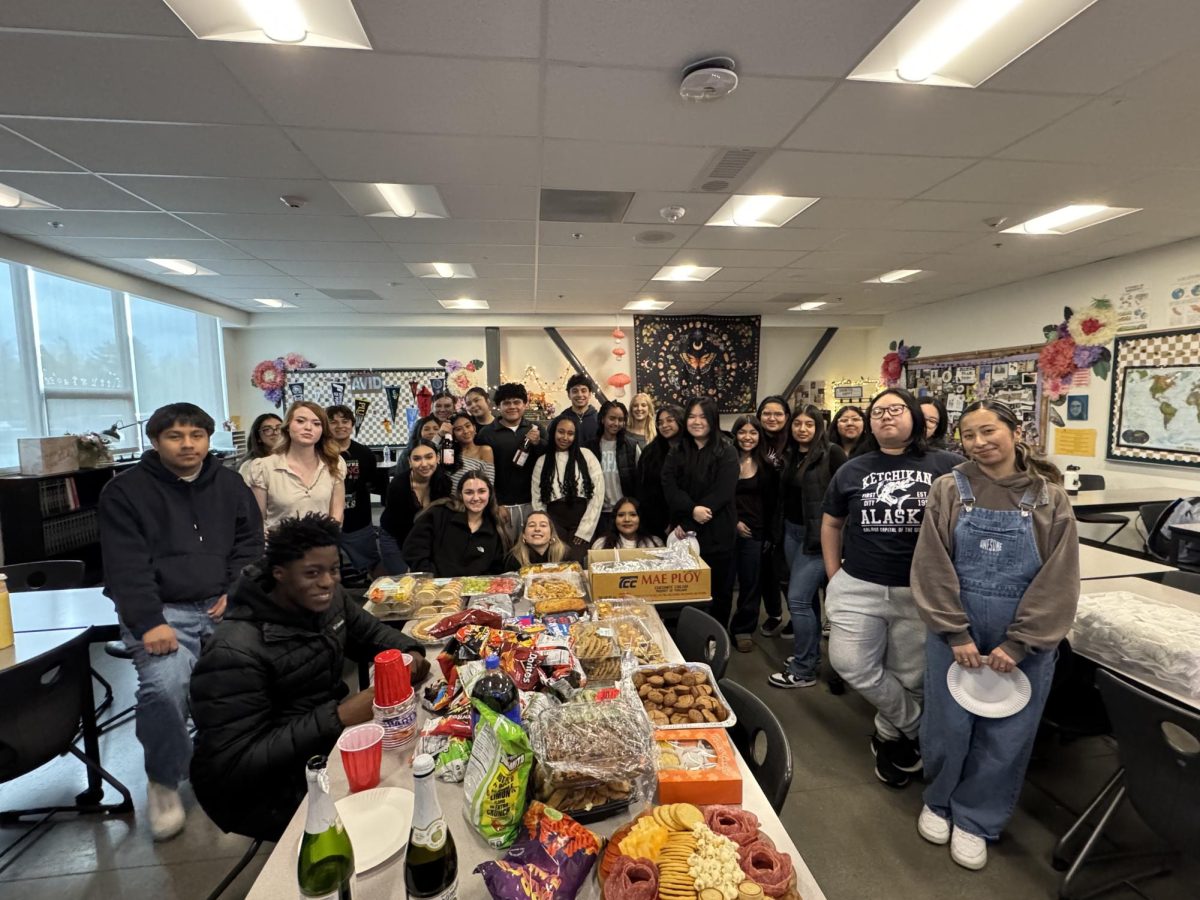
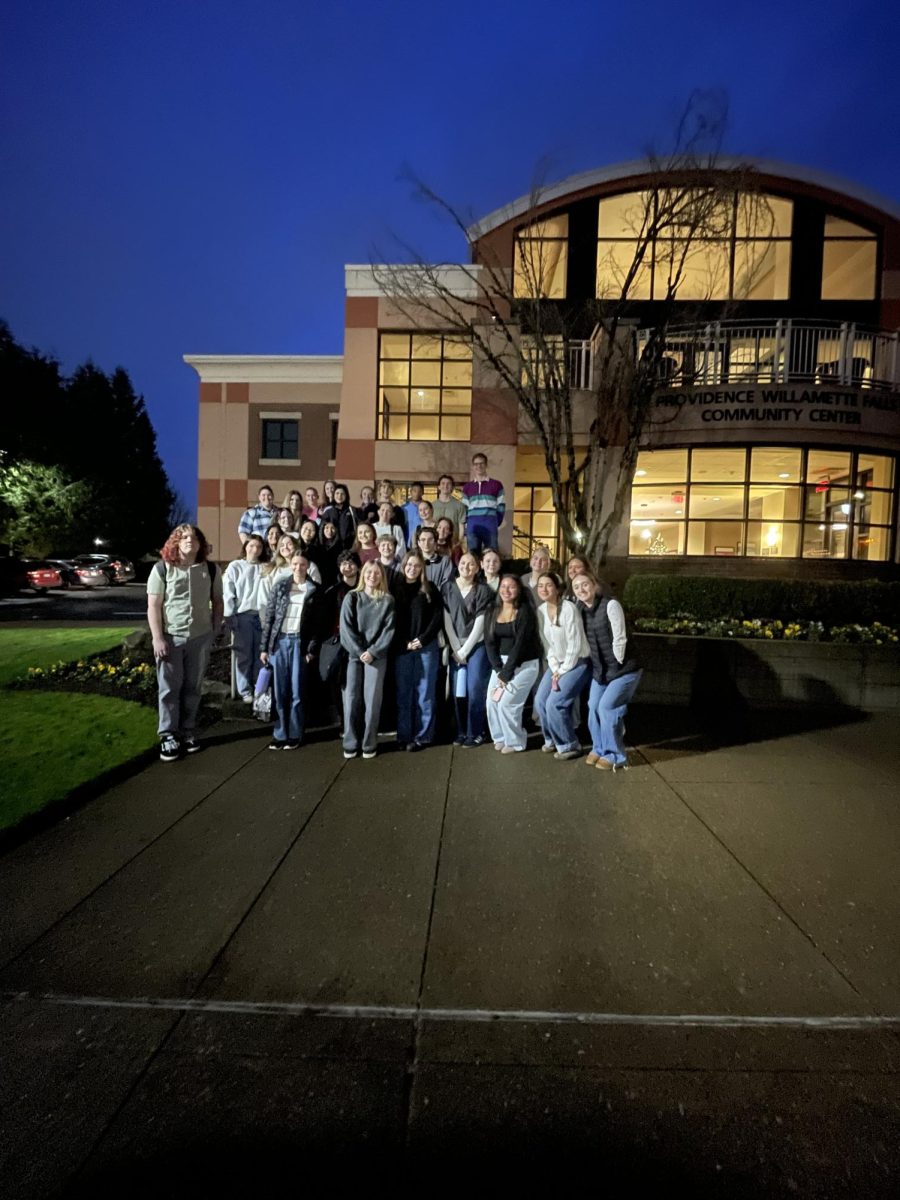
For Barlow High School’s Anatomy and Physiology class, students are no strangers to the human body and how it works. Throughout the year, students learn not only the structures of the human body but also the real-world applications that connect classroom lessons to future careers. The deep dive into human physiology is crucial for students who want a future in the medical field. On December 10, a few selected seniors had the chance to take a field trip to the Willamette community center to observe a live heart surgery. Many local medical centers, such as Willamette Valley Medical Center and Salem Health, feature comprehensive Career Exploration or Job Shadow programs. These are typically short-term (often 8 hours or less) and strictly observational. For students, these opportunities are vital for understanding the daily realities of hospital life and the diverse roles within a surgical team, which is an essential context before viewing highly specialized procedures. For the few who do get closer to the action, the pathway is often through educational affiliations. High schools with strong medical career tracks or colleges with pre-medical programs often maintain formal agreements with local hospitals, allowing for more sustained clinical rotations and observation.
These opportunities are not widely advertised for the general public and could be cancelled based on hospital census, flu season, or other operational needs. For aspiring surgeons, gaining exposure to any aspect of the surgical team, even just shadowing a nurse or anesthesiologist, is a vital and necessary step toward understanding the demanding yet rewarding field of cardiothoracic surgery.
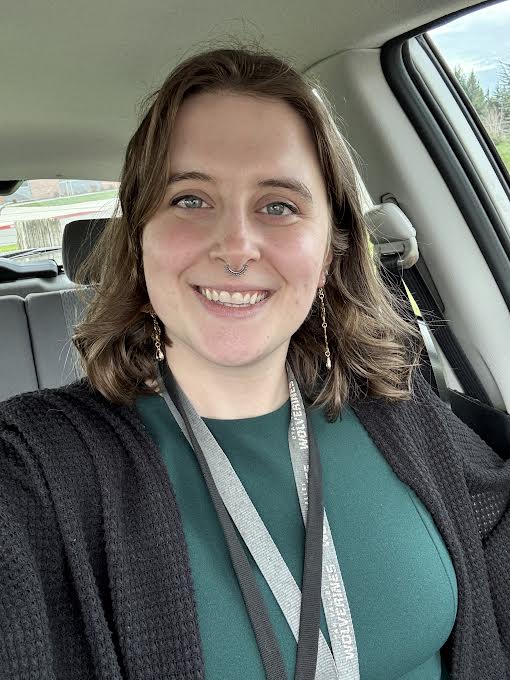
For this field trip, students were all excited to watch the live surgery take place. With Tai Quike’s first year teaching the Anatomy and Physiology class, it was a big change from Biology, which she has been teaching for the past twenty years. She explains that the switch has been “Tricky but also super interesting.” With Anatomy being a whole different world from Biology, she expresses that, “Anatomy is more straightforward, with a lot of memorizing and knowing the function of parts of the human body.” Quirke has been teaching at Barlow for thirty years and has a pre-medical degree. Throughout her teaching career, she was honored by the Gresham-Barlow School District with its Excellence in Teaching Award during the 2017-18 school year and taught many classes.
The surgery lasted a little over two hours, and most of it was spent closing the open heart. The first thing the doctors did was open the body through the chest and cut into their sternum. To get closer to the heart, they separated the rib cage and then got to work. They spent a lot of time cauterizing to see the body clearly. Then, at the heart, they replaced one of the valves that allow blood to flow forward.
Though it took a while for the surgery to actually start, students like Karson Brooks and Patricia Carrillo found the whole process really interesting. When describing the experience, Brooks stated, “Things happened in the middle of the surgery that you couldn’t expect to happen; they basically stopped the heart and then started it back up.” While Carrillo emphasized that, “It was a very interesting experience and being able to see what was inside of our own body parts was surprising.”
The experience provided the Anatomy and Physiology students with valuable insights. For Ms. Quirke, this opportunity was a success, as it blended classroom lessons with the complex realities of professional healthcare and inspired the next generation of medical professionals.