On December 10, 2025, Australia placed a social media ban for children under the age of 16. Australians have mixed feelings on this new law, as many citizens believe it will improve the lives of teens, while others recognize that people have online personalities that need to be kept up on social media. It is popular to be a kid influencer, and many people make good money and support their families financially.
The apps that are affected by this ban are Facebook, Instagram, Snapchat, Threads, TikTok, X, YouTube, Kick, Reddit, and Twitch. More than 1 million social media accounts were deactivated this past Wednesday. Apps that refuse to follow guidelines to take down and prevent kids under the age of 16 will be fined up to AU$50 million. Australia hopes that with these new measures, children will be protected from cyberbullying, self-harm, grooming, and sexual exploitation. Many parents and mental and physical health advocates have shown great support for the ban, while other influencers and teens are pushing back.
Social media allows children and teens to connect online; without most of these apps, people will miss big events in people’s lives. Social media allows people to connect by sharing interests. Without social media, people who already have a hard time fitting in may struggle to find people to be with.
A problem with social media is that misuse can lead to unsafe situations for children. People do not understand enough that every day, law enforcement spends more and more time trying to catch predators. Kids will often believe anything you tell them, so when they are being fed unsafe lies, they don’t know any better but to trust them. We are taught safety in our real lives, but online safety is not talked about enough. If we want to make a change in protecting children, it needs to be acknowledged more in conversations.
TikTok has been rising in popularity after it skyrocketed in 2020. Special events, interviews, functions, parties, friendships, and brand collaborations have all been achieved by the TikTok content creators. People make life-long friendships by collaborating on videos and brand deals. Australia’s ban on TikTok limits how people can branch out and expand their lives.
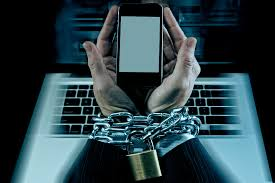
“I knew that I was still unable to access Snapchat—however, from instinct, I still reached to open the app in the morning,” writes one Australian teen, Amy. Social media has a grip on people’s everyday lives, creates s unattainable expectations, and leads to unhealthy comparisons. You start thinking you aren’t as far in life as others, you might not get to go on cool vacations as much, or that people’s families seem perfect. Social media is all fake. It kills the standard for everyday life. “Opening Snapchat would often lead to Instagram and then TikTok, which sometimes resulted in me losing track of time after being swept up by the algorithm … I now reach for my phone less and mainly use it when I genuinely need to do something,” says another Australian teen, Sydney.
A weight has been lifted off the shoulders in Australia, and parts of the world are following this ban with them. Denmark, Norway, France, and Spain are putting laws in place to eliminate or control social media for teens. States like California, Arkansas, Florida, Louisiana, Mississippi, Ohio, Tennessee, and Nebraska are in the process of passing laws that will allow the states to restrict teens and force parental control on a majority of platform accounts.