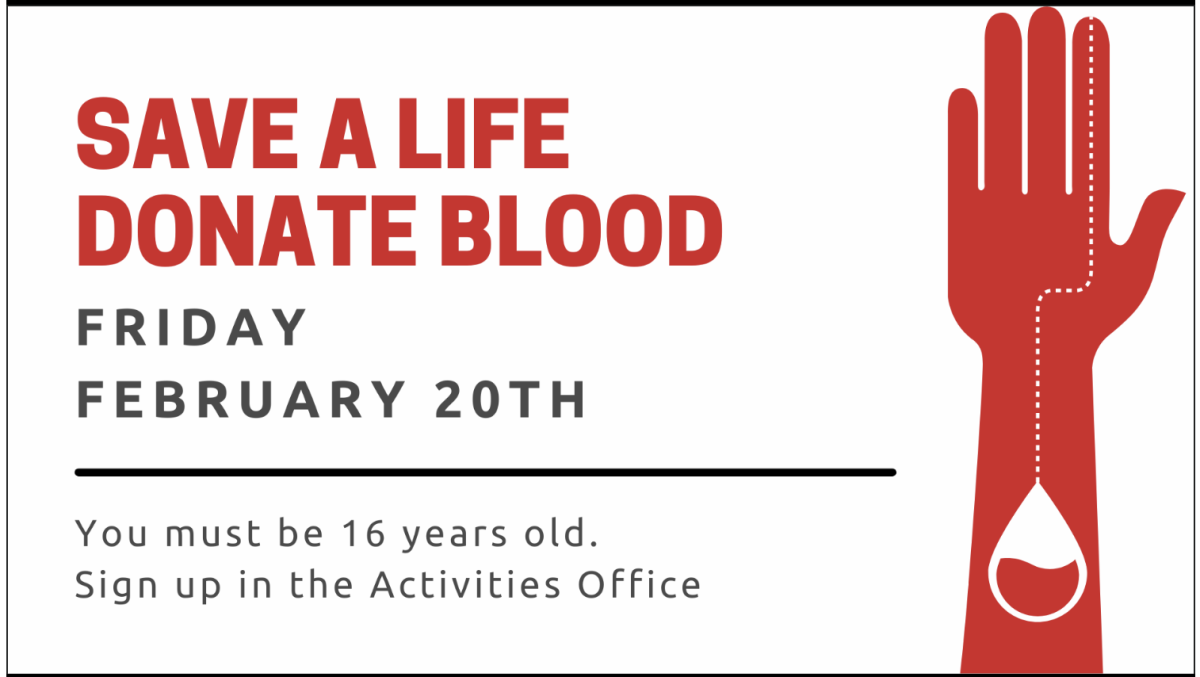
On Friday, February 20th, Sam Barlow High School organized and hosted a blood drive, aimed to benefit the community and raise awareness for the importance of these events.
Blood drives serve a vital purpose in communities by helping maintain a stable and accessible blood supply for hospitals and emergency services. Each day, patients rely on donated blood for surgeries, cancer treatments, trauma care, childbirth complications, and chronic illnesses such as sickle cell disease. Because blood cannot be manufactured synthetically, voluntary donation remains the only source. Organizations like the American Red Cross coordinate thousands of drives each year to ensure that hospitals have the resources they need to respond not only to routine medical procedures but also to unexpected crises such as natural disasters or mass-casualty events.
At the high school level, blood drives take on additional meaning beyond simply collecting donations. They introduce young people — often first-time donors — to civic responsibility and community engagement. Hosting a blood drive on campus transforms an abstract idea of “helping others” into a tangible action. Students can see the direct impact of their participation: one donation can save up to three lives. This knowledge fosters a sense of agency and social contribution at an age when identity and values are still forming.
High school blood drives also cultivate leadership and organizational skills. Student councils, clubs, or service organizations frequently partner with medical nonprofits to plan logistics, promote awareness, and recruit donors. Through this process, students gain experience in event planning, communication, teamwork, and problem-solving. They learn how to coordinate schedules, manage sign-ups, and address common concerns about safety or eligibility. These are practical skills that extend well beyond the event itself.
Additionally, early exposure to blood donation can establish lifelong habits of giving. Research shows that individuals who donate for the first time at a younger age are more likely to continue donating throughout adulthood. By normalizing donations within a school setting, communities help build a future donor base that sustains the healthcare system over time. This is particularly important given ongoing challenges such as seasonal shortages and declining donor turnout in some regions.
More broadly, blood drives symbolize collective care. They remind communities that health systems depend not only on doctors and nurses, but also on ordinary people willing to contribute. Whether hosted at a workplace, place of worship, or high school gymnasium, blood drives reinforce the principle that small individual actions, when multiplied across a community, can have life-saving consequences. In this way, they represent both a practical medical necessity and a powerful expression of shared responsibility.
As for Sam Barlow’s blood drive, if you didn’t make it this time, there’s always another chance! If you’re interested in donating, keep your eyes peeled for local blood drives. They’re organized semi-regularly by clinics, hospitals, churches, schools, and other similar groups, and are a fantastic way to make a huge difference in someone else’s life.