For years, the hallways of American schools have been on the front lines of the growing mental health crisis. But this year the battle became much harder. Recent shifts in federal policy and a series of budget decisions have left school districts, counselors, and students without a support system.
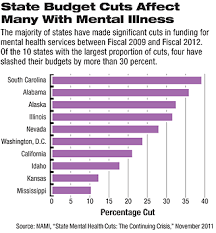
The decline in mental health resources began in mid-2025 when the Department of Education withdrew nearly $1 billion in funding from the School-Based Mental Health Services Grant Program. These grants were specifically designed to increase the number of qualified psychologists and social workers in schools, which was a resource that many students rely on as their primary, and often only, source of care. According to a report by FasPsych, these cuts were largely felt in rural and economically disadvantaged areas. While some funds were eventually released, the damage was already done. Programs that provide early intervention for anxiety and depression were delayed or dismantled entirely. This shortage creates a trickle effect. When a student experiencing a panic attack or a depressive episode cannot access a professional, the responsibility often falls on teachers. Most educators, while well-intentioned, are not clinically trained to handle severe psychological distress. This leads to increased teacher burnout and a rise in disciplinary referrals for behaviors that are actually symptoms of untreated trauma. Furthermore, the lack of support has contributed to a surge in chronic absenteeism, as students who feel emotionally unsupported or overwhelmed often choose to disengage from school entirely. In the absence of a counselor or an adult to talk to when students need it, this has put them in a bad mental state. Evan Stone, Co-Founder and CEO of Educators for Excellence, highlighted the severity of the situation following the initial announcements. “In the middle of a well-documented mental health crisis among young people, school districts need these investments not just to prevent school shootings, but also to improve chronic absenteeism and support students struggling with mental health challenges more broadly,” Stone stated. Without the federal lifelines, the national student-to-counselor ratio is 464:1, nearly double the recommended ratio of 250:1. The support for students’ mental health is fading.
The Substance Abuse and Mental Health Service Administration (SAMHSA) abruptly terminated thousands of grants worth approximately $2 billion. Though the administration reversed the decision within 24 hours following a massive public outcry, the “budgetary whiplash” has left local organizations in a state of constant fear. Rosa DeLauro, Ranking Member of the House Appropriations Committee, was vocal about the life-and-death stakes of the financial changes. “These cuts will cost lives… this administration is decimating the programs that help children, their families, and adults that are in recovery,” DeLauro warned in a January 2026 statement. The National Council for Mental Wellbeing emphasized that mental health services are not luxury items and they can be taken away as quickly as they are given.
Local districts are being forced to make impossible choices: do they cut a music program to fund a suicide prevention hotline, or do they lose a math teacher to afford a single part-time psychologist? These are choices no educator should ever have to make, yet they are becoming the daily reality for administrators across the country.
As we move deeper into 2026, the message from the student body is clear: they are tired of being the collateral damage in a political tug-of-war. For a student sitting in a classroom today, the debate over this isn’t a policy discussion; it is the difference between feeling safe enough to learn or being a part of a broken system. The resilience of American students is remarkable, but it should not be used as an excuse for government neglect. Without a permanent commitment to school-based mental health resources, our schools will continue to leave our most vulnerable youth to fight these battles entirely on their own.