
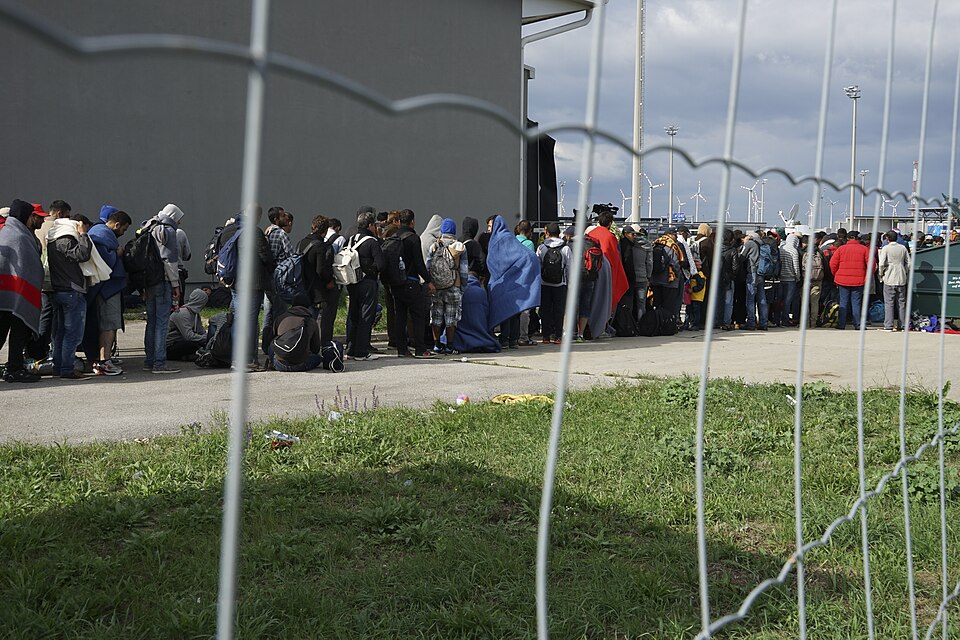
In Syria, on Dec. 8, 2024, the regime of Bashar al-Assad fell, ending the family’s 53-year rule, resulting in a call for a return to normalcy from the many countries that took in Syrian refugees during the civil war. During the Syrian Civil War, Europe took millions of refugees into its countries between 2015 and 2023, with Germany having the largest share in its population — over 900,00 by 2025. Germany and other European countries have made statements about potential plans to return the Syrian refugees to Syria now that the war is over, with German Chancellor Friedrich Merz remarking that 80% of Syrians living in Germany will return to Syria in the next three years.
These remarks from the Chancellor sparked much controversy. Members of the center-left Social Democratic Party, part of Merz’s coalition, have grown frustrated with his tough immigration policies, claiming his figure of 80% has no plan or respect for refugees. Merz later walked back his statement, claiming Syrian president al-Sharaa put the idea forward and he was aware of the true difficulty of the task, though al-Sharaa has denied this. The rising far-right in Germany, which Merz has unsuccessfully tried to fend off with his strict immigration policy, are labeling him as weak due to his falling back on his statement, with Alice Weidel, an Alternative for Germany party co-leader, posting on X, “Less than 24 hours after announcing his plan to deport 80 percent of Syrians, Merz is already backtracking, a genuine deportation drive will only happen with the AfD.”
Other countries have followed in wanting Syrian refugees to return to Syria, especially due to far-right parties, like the AfD, surging throughout Europe. Before the war even ended in 2024, multiple countries, such as Italy and Austria, tried to declare Syria safe for refugees to return to. Since 2019, Denmark has been revoking and not renewing residence permits for dozens of Syrian refugees from Damascus, claiming that the capital of Syria is safe. Other countries, primarily led by Italy, even strengthened ties with Assad to facilitate deportations. After the war ended, many countries began plans to return Syrian refugees, with Austria, the country in Europe with the second largest population of Syrian refugees, becoming the first to temporarily suspend family reunification for refugees and offering “return bonuses” for Syrians returning to Syria.
Critics of Germany’s plan attack it from the angle of safety and economic well-being. While the Syrian civil war ended in 2024, it is still unsafe for many Syrians, with homes and infrastructure still destroyed after the war. Many also claim that it would hurt Germany economically, with 60% of Syrians who arrived in 2015 and 2016 being employed now, and 1/3rd of those employed are in industries that struggle to fill unemployment gaps, such as healthcare. As Germany’s population continues to age, it will need more workers to be able to handle the pressures of an aging population and demographic shift that burdens its economy. Critics say plans for deportation should seriously consider these factors, as well as anti-immigrant pressures from the far-right, especially if Merz wants to win reelection.