Seasonal Affective Disorder (SAD) is a type of depression that usually occurs during certain seasons, such as late fall and winter. When you lose motivation, sleep excessively, and stop going outside, you may be at risk for having this disorder. If you think these symptoms apply to you, there are many ways to get help.
The changes in our circadian rhythms, melatonin, and serotonin cause seasonal depression. We have an internal alarm in our brain that’s like a clock. The faster it gets dark outside, the quicker our internal clock gets disrupted, causing our body to produce too much melatonin and leaving us feeling drowsy or even experiencing vivid dreams or nightmares. Our serotonin levels are also lowered, which affects our sleep cycle.
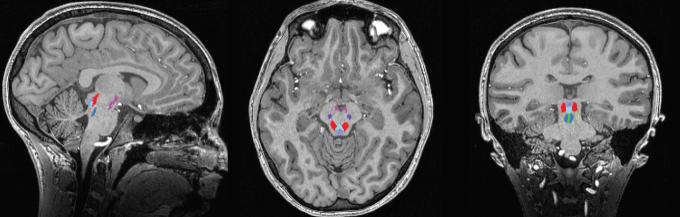
Melatonin is a natural hormone that’s produced mainly by your pineal gland in your brain. According to clevelandclinic.org, melatonin plays a role in managing your sleep-wake cycle and circadian rhythm. Scientists still have much to learn about melatonin and its effects on the human body.
Serotonin is a neurotransmitter that carries messages between nerve cells in your brain and throughout your body. It basically tells your body how to work. It is thought that not having enough serotonin contributes to depression and anxiety.
Something that a lot of people might not know, though, is that seasonal depression isn’t just caused by shorter days. Other factors contribute, such as family members and your environment, including the people you surround yourself with.
According to bridgestorecovery.com, ”Anyone struggling with family-triggered depression and stress, the holidays become a powder keg with the potential to blow.” Family can be a source of joy and comfort for some, or can trigger stress and depression for others. With holidays coming up, stress levels rise for most. Whether it’s your mom stressing about everything or your dad feeling super relaxed about everything, both aspects contribute to depression during the fall-winter seasons. If family happens to be one of the most significant factors of seasonal depression for you, consider managing your holiday schedule and setting up boundaries. Don’t have too much on your plate, and if something seems like it’s too much, skip it. Surround yourself in a positive environment, and know when to walk away if you’re ever uncomfortable where you are.
If you suspect you have Seasonal Affective Disorder, start by changing your daily routine by adding things like getting more sunlight, exercising, eating well, and maintaining a good social life. Seek professional help by talking to your doctor to get a diagnosis and taking further steps to improve your mental health.
It’s essential to remember that whatever you are feeling will eventually pass. Having seasonal affective disorder doesn’t always mean that it goes away immediately after winter. According to mayoclinic.org, some individuals with SAD might feel non-seasonal depressive episodes, potentially indicating a shift in diagnosis to Major Depressive Disorder or Bipolar Disorder. Take action and get the help you need before it worsens.